Behind the camera of successful legal video depositions
All Concerning Legal Video Depositions: Just How They Function and Why You Need Them
Legal video depositions play a vital role in the lawsuits process. They catch witness testimonies in a fashion that maintains both spoken words and non-verbal cues. This approach uses distinctive benefits over traditional written depositions. Understanding how these depositions function and their relevance can significantly influence instance end results. The ins and outs of the process and its technological elements expose much concerning their performance. What continues to be to be discovered is how they are utilized in court settings.

What Is a Legal Video Clip Deposition?
A lawful video clip deposition is a taped testament taken from a witness under oath, commonly conducted beyond the court room. This process records both the verbal and non-verbal actions of the witness, offering a thorough account of their statements. Lawful video depositions offer several objectives in lawsuits, including preserving a witness's statement for later use in court, reviewing the reliability of the witness, and assisting in negotiation conversations. They are often utilized in civil cases, especially in accident or contract disagreements, where witness accounts can greatly impact the result. The presence of a stenotype reporter warranties that a verbatim records goes along with the video recording, preserving a trusted record of the proceedings. Legal video depositions are a crucial device for lawyers, offering a dynamic method to present evidence and evaluate the staminas and weak points of an instance prior to it gets to trial.
The Process of Performing Video Depositions
Carrying out video depositions entails a number of key actions to assure a smooth and effective procedure. At first, attorneys have to set up the deposition and inform all parties entailed, making certain that the place and time appropriate. Prior to the deposition, it is necessary to prepare the witness by going over the inquiries that will be postured and the general format of the session.On the day of the deposition, a professional videographer sets up the required equipment, making sure excellent illumination and sound top quality. As the deposition begins, the witness is vouched in, and examining profits as in a standard deposition, today come with by video clip recording.Throughout the session, the videographer keeps track of the tape-recording to guarantee and stop disturbances quality. As soon as completed, the video clip is examined for high quality guarantee. Finally, the recording is modified and saved firmly for future referral, maintaining the honesty of the testimony.
The Modern Technology Behind Video Depositions
The technology that supports video clip depositions plays a vital duty in ensuring efficient and clear documents of lawful proceedings. This includes the devices utilized for recording, the arrangement needed for perfect performance, and the processes included in editing and enhancing and storing the footage. Comprehending these elements is crucial for attorneys aiming to take advantage of video clip depositions efficiently.
Devices and Setup
While preparing for a video clip deposition, interest to equipment and setup is vital for recording clear and reliable footage. The primary parts consist of high-quality cameras, microphones, and illumination systems. Video cameras ought to can recording in high definition to assure that every information shows up. Professional-grade microphones, preferably lavalier or shotgun types, enhance audio clarity by minimizing background noise. Proper lighting is crucial; soft, diffused light helps avoid harsh shadows and enhances facial presence. Additionally, stable tripods are necessary to avoid cam shake. A specialized area, devoid of distractions, further enhances the quality of the deposition. Confirming that all devices is checked before the session guarantees a seamless recording experience, adding to the stability of the lawful process.
Recording Refine Explained
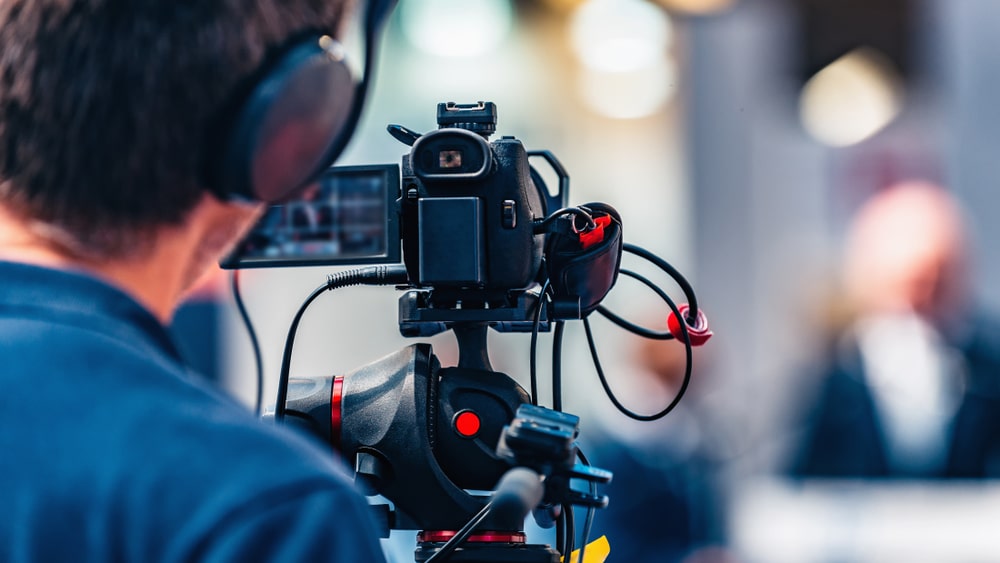
A seamless recording procedure is crucial for making certain the stability of video clip depositions. This process typically begins with top quality electronic cameras and audio devices, capturing both visual and acoustic components with precision. Throughout the deposition, the videographer keeps track of the setup, making certain suitable framing and audio degrees. Lights is thoroughly gotten used to get rid of darkness and enhance exposure. The driver also tapes the proceedings in real-time, focusing on both the deponent and any kind of relevant papers or exhibits offered. As the deposition unravels, the innovation enables prompt playback, making certain that any type of technical problems can be immediately addressed. This thorough focus to information warranties that the final video clip precisely shows the testament and preserves its legitimacy for legal purposes.
Modifying and Storage Space Options
Editing and storage choices play an essential function in the monitoring of video depositions, ensuring that the taped product is both polished and safely protected. Post-production editing usually includes getting rid of supplementary material, boosting sound and aesthetic high quality, and including graphics or notes where required. This procedure guarantees that the deposition is clear and professional, ultimately aiding in lawful presentations.In regards to storage space, safe electronic platforms are vital for guarding delicate information. Options consist of cloud storage services and encrypted disk drives, both of which offer dependable access and backup. By making use of these modern technologies, legal professionals can efficiently take care of video clip depositions, ensuring they are easily retrievable and shielded versus unauthorized accessibility, consequently preserving the integrity of the lawful process.
Advantages of Video Clip Depositions Over Composed Depositions
Video depositions existing a number of advantages over typical written depositions, mostly because of their ability to catch emotional nuances and non-verbal hints. This dynamic kind of tape-recording allows courts and attorneys to observe body language, facial expressions, and tone of voice, which are important for comprehending the witness's reliability and genuineness. Additionally, video clip depositions can enhance interaction by providing a much more immersive experience compared to static text.Additionally, video clip depositions help with far better retention of information for customers, as the aesthetic component commonly aids in memory recall. They likewise simplify the review procedure, permitting lawyers to quickly determine appropriate testaments and key minutes. Moreover, video clip depositions can be shared easily, making them easily accessible for remote individuals and throughout trial presentations. On the whole, the richness of information caught in video clip style greatly enhances the legal procedure, supplying a more complete viewpoint than written depositions alone.
Planning for a Video Deposition
When getting ready for a video clip deposition, it is important to think about both the individual and technological aspects to ensure a successful recording. First, the technical setup must be perfect. This consists of ensuring that the illumination, camera, and microphone are working properly. The video must be clear, with audio easily audible, as these factors can considerably influence the top quality of the recording.On the individual side, the deponent should be well-prepared. This includes familiarizing themselves with the questions that might be asked and recognizing the process of a video clip deposition. Exercising feedbacks can help in reducing anxiety and boost clearness during the recording. In addition, the deponent ought to useful source clothe suitably and maintain a made up temperament, as body movement and appearance can influence the perception of their reliability. By resolving these personal and technological aspects, a video clip deposition can be carried out effectively, offering its designated purpose in the legal process.
How Video Depositions Are Made Use Of in Court
The prep work and execution of a video deposition play a significant duty in exactly how these recordings are made use of throughout court procedures. Video clip depositions act as vital proof, allowing courts and juries to observe the disposition and integrity of witnesses. They enable the court to assess non-verbal cues, such as body movement and tone, which are commonly vital check over here in figuring out the reliability of testimony. Furthermore, video clip depositions can be used to revitalize a witness's memory or to test irregular declarations made during trial. In many cases, they might change the need for live statement, especially when a witness is unable or not available to go to court. Courts usually admit these recordings as part of the proof, giving a thorough sight of the witness's declarations. Overall, their visual component enhances the understanding of testimony, making video depositions a very useful device in lawful proceedings.
Best Practices for Attorneys and Customers During Video Clip Depositions
Effective video clip depositions call for mindful prep work and preparation by both clients and attorneys. Abiding by technical setup guidelines guarantees that the tape-recording quality satisfies legal requirements, while keeping specialist conduct is important to support the honesty of the process. Recognizing these best techniques can significantly enhance the general effectiveness of video depositions.
Prep work and Preparation
Technical Configuration Guidelines
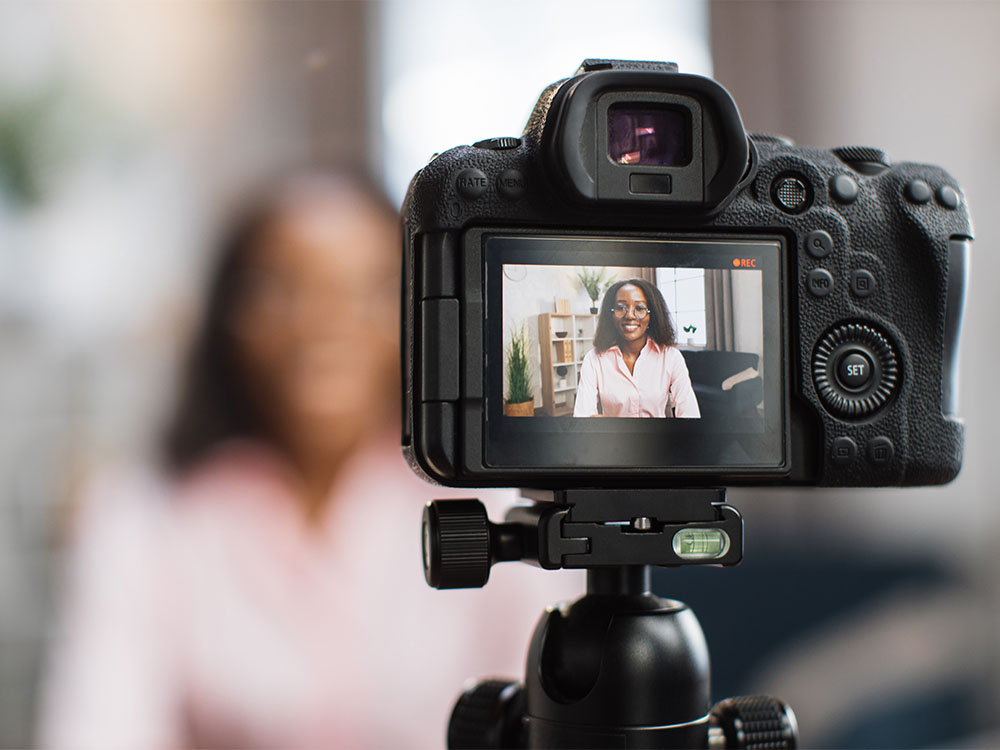
While planning for a video deposition, assuring a dependable technological setup is essential for both attorneys and customers. First, a peaceful, well-lit space must be chosen, devoid of disturbances and disturbances. The electronic camera should be positioned at eye level to produce an all-natural watching angle, while the microphone must be put close sufficient to catch clear sound. Testing the devices, including video and audio quality, prior to the deposition is necessary. Clients and attorneys ought to confirm their web link is secure to prevent disturbances. In addition, it is recommended to have backup equipment all set in instance of technical failures. Familiarizing oneself with the video conferencing system can additionally boost the total experience, bring about a smoother deposition procedure.
Professional Conduct Essentials
Maintaining specialist conduct throughout video depositions is important for fostering a considerate and efficient atmosphere. Attorneys need to prepare completely, ensuring they recognize the witness and the situation's duty. Throughout the deposition, attorneys have to continue to be composed, avoiding hostile doubting that may provoke unneeded dispute. legal video depositions. They should also value the opposite guidance, enabling fair dialogue while sticking to the guidelines of evidence. Witnesses are motivated to respond to questions plainly and honestly, refraining from speculation or conjecture. Furthermore, customers should be advised to stay focused, lessening diversions during the session. By sticking to these finest methods, all celebrations add to an extra effective deposition procedure, ultimately improving the honesty of the legal process
Frequently Asked Questions
Just How Much Do Legal Video Depositions Commonly Expense?
Can Any Individual Participate In a Legal Video Deposition?
Participation at a lawful video clip deposition is generally restricted to specific people, such as parties and attorneys included in the situation. Others might require consent or might not be permitted to attend in any way.
How much time Does a Video Deposition Typically Last?
Usually, a video clip deposition lasts in between one to 4 hours, depending upon the complexity of the situation and the variety of concerns asked. Breaks might be consisted of to assure individual convenience and emphasis.
What Takes place if the Witness Can not Go To in Person?
If a witness can not attend face to face, plans are produced a directory remote deposition. This permits for their testimony to be tape-recorded by means of video clip conferencing, guaranteeing that their declarations are preserved for legal procedures.
Are Video Depositions Lawfully Binding?
Video clip depositions are legally binding, provided they comply with administrative regulations and policies. They function as tape-recorded testimonies, making sure that declarations made by witnesses carry the same weight as in-person statements throughout legal proceedings. Lawful video clip depositions serve multiple objectives in lawsuits, including preserving a witness's testimony for later usage in court, examining the credibility of the witness, and facilitating negotiation discussions. Prior to the deposition, it is important to prepare the witness by reviewing the inquiries that will be posed and the total style of the session.On the day of the deposition, a qualified videographer establishes up the required tools, making sure perfect lights and sound quality. As the deposition begins, the witness is sworn in, and examining proceeds as in a standard deposition, but currently accompanied by video clip recording.Throughout the session, the videographer keeps track of the videotaping to make sure and prevent disruptions clarity. Video clip depositions present a number of benefits over standard written depositions, primarily due to their capability to record emotional subtleties and non-verbal cues. legal video depositions. In enhancement, video depositions can boost engagement by supplying a more immersive experience contrasted to fixed text.Additionally, video clip depositions help with better retention of details for audiences, as the visual component often aids in memory recall